What Walkable Living Looks Like In Silver Spring
May 14, 2026
May 14, 2026
If you want a lifestyle where coffee, groceries, dinner plans, transit, and entertainment are all within reach, Silver Spring offers that, but not in the same way everywhere. The most walkable experience is concentrated in and around downtown, where transit, housing, and daily conveniences work together in a way that can make car-light living feel realistic. If you are considering a move, an investment, or a relocation to this part of Montgomery County, understanding where that walkable pattern starts and how far it extends can help you make a smarter decision. Let’s dive in.
Walkable living in Silver Spring is strongest in the downtown core rather than evenly spread across the entire community. Montgomery Planning describes downtown Silver Spring as an urban center inside the Beltway with a lively mix of shops, restaurants, offices, and civic uses. The current planning direction also supports diverse housing types and green, climate-resilient, walkable streets.
That matters if you are trying to match your home search to your daily routine. In practical terms, the closer you are to the downtown core and transit connections, the easier it is to live with fewer car trips. Areas farther out can still feel connected, but they are generally more residential in character.
Montgomery Planning has also expanded the downtown plan boundary to include neighborhoods within about a half-mile, or a 10-minute walk, of the future Silver Spring Library Purple Line Station. That broader planning area includes places like Woodside, Woodside Park, and East Silver Spring. For buyers, that helps show how walkable living can extend beyond a few downtown blocks while still keeping the urban core as the anchor.
Downtown Silver Spring is not just one uniform area. It is organized into several districts, and each one adds something different to the walkable lifestyle. Together, they create the cluster that makes Silver Spring one of the more practical places in the DMV for people who want transit access and a strong on-foot routine.
Metro Center is the transit-focused heartbeat of downtown. If your priority is quick access to rail, bus connections, and the daily convenience of being close to the station, this is where the walkable story starts.
Silver Spring station sits on Metro’s Red Line and connects directly to the Paul S. Sarbanes Transit Center. According to WMATA, the transit center includes more than 30 bus bays serving Metrobus, Ride On, VanGo, and the University of Maryland shuttle. The station also has bike racks, lockers, bikeshare access, and Wi-Fi, though it does not offer daily parking.
Ellsworth is known as the entertainment center around Veterans Plaza. If you picture walkable living as more than just getting from home to work, this district helps explain why downtown Silver Spring stands out.
Downtown Silver Spring says the Arts & Entertainment District hosts more than 800 events each year and includes more than 100 pieces of public art. Veterans Plaza also features a seasonal ice rink, while the Silver Spring Civic Building and plaza area host concerts, festivals, and live entertainment. That gives you an easy way to build social life into your weekly routine without needing to drive across town.
Fenton Village is described as a haven for locally owned businesses and international dining. This part of downtown tends to reinforce the everyday side of walkability, where grabbing a meal, meeting friends, or picking up small essentials can happen on foot.
The dining mix in the core includes Ethiopian, Tex-Mex, Japanese, American, and brewery options. For someone who values variety and convenience, that range helps make the neighborhood feel usable day to day, not just on weekends.
Downtown North combines office space, apartments, and cultural venues, while Ripley continues to grow as a hub for modern apartments and creative spaces. These areas are part of why Silver Spring appeals to buyers and renters looking for a more urban setup in Montgomery County.
From a housing perspective, these districts help support the idea that walkability in Silver Spring is tied closely to higher-density residential options near transit and retail corridors. If you want the easiest version of car-light living, these are the kinds of locations worth watching.
In Silver Spring, transit is not just a bonus feature. It is the backbone of walkable living. The station area creates a hub where Metrorail, bus service, commuter rail, biking, and future Purple Line access come together in one place.
MARC commuter rail adds another layer to the lifestyle. Maryland Transit Administration materials identify Silver Spring as a stop on the Brunswick Line, and the TRiPS Transit Store next to the station provides riders with transit information, maps, and tickets. Downtown Silver Spring also lists a free VanGo shuttle and multiple bikeshare stations across the core.
This kind of network matters whether you are commuting, working hybrid, or simply trying to reduce dependence on a car. It gives you more than one way to move around the area, which is often what makes walkable living feel sustainable over time.
The Purple Line continues to shape how people think about Silver Spring’s future walkability. WMATA says construction is still underway on a mezzanine that will connect the future station to Metro, MARC, and the transit center through 2026.
On May 7, 2026, the Maryland Transit Administration reported that the final rail had been installed, that the project would focus on completing construction by the end of 2026, and that passenger service is expected in late 2027. For buyers and investors, that timeline is worth watching because transit improvements often influence how people use and value nearby housing over time.
One of the clearest signs of true walkability is whether you can handle more than entertainment on foot. In downtown Silver Spring, the answer is often yes. Groceries, pharmacy needs, markets, restaurants, arts venues, and public gathering spaces are all part of the core environment.
The Blairs lists on-site retail that includes a Giant grocery store, CVS 24-Hour Pharmacy, and dry cleaners. Other nearby housing examples point to access to Whole Foods Market, farmers' markets, restaurants, and public services within walking distance. FRESHFARM also lists a Silver Spring market at Veterans Plaza on Saturdays.
For buyers, renters, and relocators, this is the difference between a place that is simply dense and one that is genuinely convenient. You are not relying on a single attraction or one popular street. You are choosing an area where daily errands can fit naturally into your routine.
Silver Spring’s walkable appeal is also cultural. Downtown Silver Spring has a strong concentration of venues and public spaces that support regular activity throughout the year. That gives the neighborhood a sense of momentum that many suburban centers do not have.
AFI Silver Theatre is located at 8633 Colesville Road in the heart of downtown and is just two blocks north of the Red Line station. The Fillmore Silver Spring, at 8656 Colesville Road, says it is about a five-minute walk from Silver Spring Metro Station. Montgomery College’s Cultural Arts Center adds both a larger proscenium theater and a smaller black box theater to the mix.
If you like the idea of walking to a concert, film screening, festival, or seasonal event, Silver Spring offers a real case for that lifestyle. It is one of the reasons the downtown core feels active beyond standard office hours.
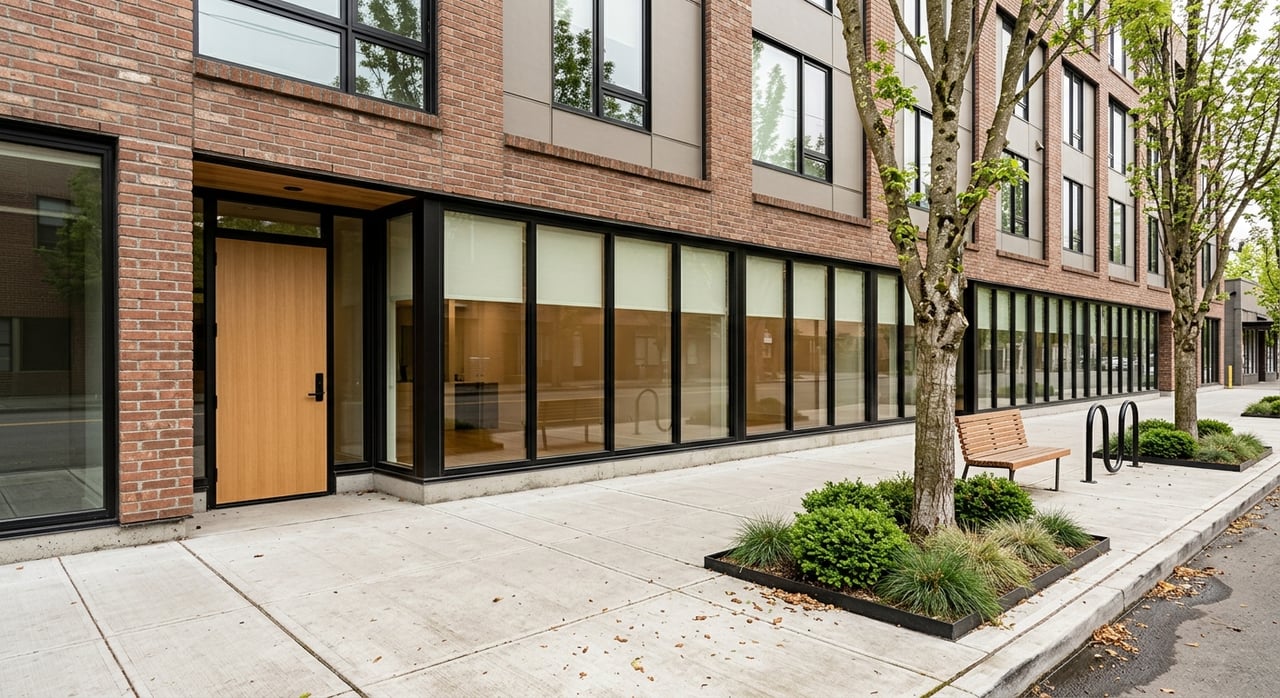
The most walkable homes in Silver Spring are generally the ones closest to Metro, the transit center, and the retail corridors running through downtown. In many cases, that means apartments, condos, and townhomes rather than lower-density housing farther from the core.
Examples in the downtown area help make that pattern clear. The Veridian includes two 15-story towers within walking distance of Metro and about five minutes from shopping, restaurants, and entertainment. Fenwick is a six-story, 310-unit apartment building two blocks from Metro with a public plaza and bikeshare connection, while The Blairs sits across from the Metro station and includes on-site retail.
There are also ownership options close to the core. Aurora Condos is in the Eastern Avenue area near bikeshare and parking, and Cameron Hill Townhomes says its 57 townhouses were built one block from the Metro station at Second Avenue and Cameron Street. The Bonifant adds another downtown example with ground-floor retail and walking access to essentials.
If your goal is true walkable living, your search should focus less on the Silver Spring name alone and more on your distance to the downtown core. A home in or near Metro Center, Ellsworth, Fenton Village, Downtown North, or Ripley is more likely to support a car-light routine.
If you want a quieter residential setting, neighborhoods near downtown may still offer a useful middle ground. Montgomery Planning expanded its study area specifically to look at a wider range of housing types in communities near downtown, including Woodside, Woodside Park, and East Silver Spring. That can appeal if you want access to the core without living directly in the busiest blocks.
Walkability is about convenience, but it is also about flexibility. When a neighborhood combines housing, transit, errands, dining, and entertainment in a compact area, it often gives you more options for how you live day to day.
For buyers, that can mean easier commuting choices and a more connected lifestyle. For relocation clients, it can make the transition into the DMV feel simpler because so many basics are close at hand. For investors, concentrated walkability can be a useful indicator when evaluating renter appeal and long-term demand in a transit-served location.
Silver Spring’s downtown cluster tells a clear story. The most walkable experience is not spread evenly across every block, but where it is strongest, the pieces fit together well.
If you are weighing a move to Silver Spring, it helps to look beyond broad map labels and focus on how you actually want to live. The right location can put transit, essentials, and local favorites within a short walk while still giving you access to the wider Montgomery County and DC region. If you want help comparing neighborhoods, evaluating condo or townhome options, or planning a smart move in Maryland, connect with Leah Webster.
Stay up to date on the latest real estate trends.



With over twenty years of experience in real estate, I am proud to be your full time real estate partner. I can help you find property in the toughest of markets and personal situations. I will represent your investment with integrity to net you top dollar, no matter the market conditions.