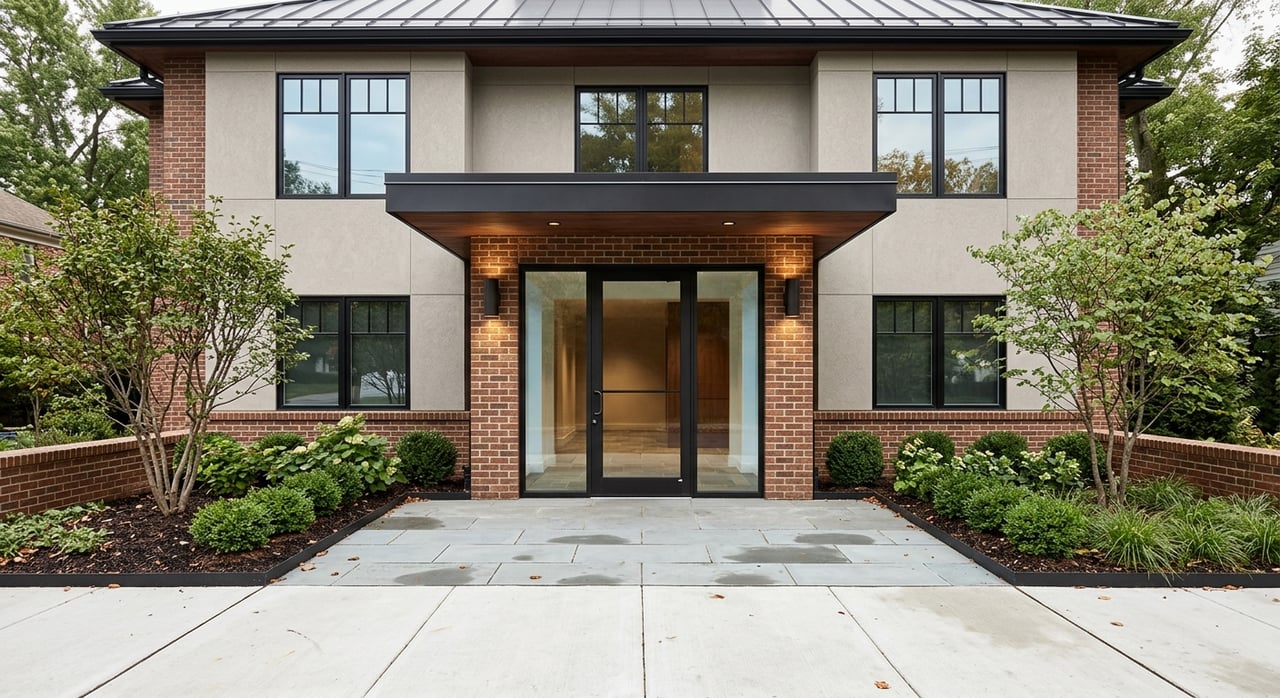
Condo Or Townhome In Fairfax? How To Decide
April 16, 2026
April 16, 2026
Trying to choose between a condo and a townhome in Fairfax? You are not alone, and the answer is not just about whether you want stairs, a yard, or a different floor plan. In Fairfax, the better choice often comes down to ownership structure, monthly costs, and maintenance responsibility. If you want to make a smart move for your lifestyle and long-term finances, this guide will help you compare both options clearly. Let’s dive in.
At first glance, condos and townhomes can look similar, especially in Fairfax where some communities include townhome-style condos and stacked townhomes. That is why the name in the listing does not always tell you what you are actually buying.
Under Virginia condominium law, when you buy a condo, you own your unit plus an undivided interest in the common elements. Those common elements are generally maintained by the condo association, while you are usually responsible for the interior of your unit unless the governing documents say otherwise.
Townhomes can work differently. In Fairfax, many townhome communities are governed by property owners’ associations, and the exact ownership and maintenance split depends on the community documents. According to the Fairfax County community association manual, associations may maintain items like private roads, parking areas, recreation facilities, and private stormwater systems.
A condo often appeals to buyers who want a lower entry point and less exterior maintenance. In Fairfax, condos may include traditional flat-style units, but they can also appear as townhome-style or stacked products.
That matters because the condo association usually has more control over the building exterior and shared spaces. Condos are also separately assessed and taxed as their own parcels, which affects your overall monthly cost.
A townhome may offer a more house-like experience, often with more interior space and a more direct connection to the ground. But the ownership structure can vary more than many buyers expect.
A listing labeled “townhome” could be a fee-simple townhome, a condo-style townhome, or part of a stacked product with more than one fee layer. That is why reviewing the association documents is so important before you decide.
One of the clearest differences between condos and townhomes in Fairfax is price. According to Fairfax County’s 2026 assessment notice information, the mean assessed value is $612,580 for townhomes and $387,560 for condominiums.
Using Fairfax County’s 2025 base real estate tax rate of $1.1225 per $100 of assessed value, that works out to about $6,876 per year for the mean townhome and about $4,350 per year for the mean condo. That is a difference of roughly $2,526 per year, or about $210 per month, before dues and any district-related charges.
This is why the asking price only tells part of the story. A lower-priced condo can still have a higher monthly carrying cost if the dues are high, while a pricier townhome can sometimes land closer in total monthly cost if the HOA is relatively lean.
Fairfax County task-force research found a wide range in monthly fees depending on housing type. Townhome fees ranged from $100 to $188, while stacked townhomes and condo flats ranged from $252 to $404, and stacked townhomes often had both condo and HOA fees, according to the county report.
That means two homes with similar square footage can have very different monthly costs. A condo may give you less exterior work, but some of that convenience is often built into the dues.
With condos, the split is often more predictable because state law generally places responsibility for common elements on the association. In townhome communities, the maintenance split can vary a lot by community documents.
For example, one HOA may cover landscaping and snow removal only, while another may also handle roofs, siding, or private roads. Fairfax County notes that if a street inside a townhouse or condo complex is not a numbered state route, it is a private street, and snow removal is usually the responsibility of the HOA or property manager.
If you are comparing a condo and a townhome in Fairfax, focus on the full monthly picture. That includes:
This approach helps you avoid a common mistake. You might be drawn to a condo because the purchase price is lower, but if the dues are high and special assessments are possible, the monthly budget may feel tighter than expected.
Current market forecasts also give buyers useful context. According to NVAR’s 2026 forecast, Fairfax County townhome median prices are expected to rise 1.7%, while condo prices are forecast to decline 2.7%.
Sales volume is expected to rise for both, with townhome sales up 4.3% and condo sales up 2.4%. In simple terms, the near-term forecast suggests stronger price resilience for townhomes, even though both property types are still active parts of the Fairfax market.
That does not mean a condo is the wrong choice. It means your decision should reflect your timeline, your budget, and how much weight you place on short-term value trends versus ease of ownership.
Financing is another area where condos can be more complex. Fannie Mae’s condo project guidance explains that lenders review condo projects through Condo Project Manager or other project review methods.
If a project does not have an approval in place, the lender may need to do its own assessment. Fannie Mae also notes that deferred maintenance, major litigation, delinquent assessments, and weak budgets or reserves can affect eligibility.
For you as a buyer, that means condo financing is not only about your income and credit. The project itself may also affect your loan path and timeline.
Before you commit to a condo or townhome in Fairfax, ask these questions:
These answers can tell you more than the floor plan ever will. They help you compare risk, convenience, and long-term affordability in a practical way.
A condo may be the better fit if your priorities include:
This option can work especially well if you want predictable day-to-day upkeep and are comfortable with a stronger association role.
A townhome may be the better fit if your priorities include:
This option can be a smart choice if you are comfortable comparing HOA terms carefully from one community to another.
In Fairfax, the condo versus townhome decision is really a decision about total cost, maintenance responsibility, and long-term fit. The smartest buyers look past the listing label and ask how the property is owned, how the fees work, and what the association is responsible for.
If you want help comparing specific Fairfax condos and townhomes, reviewing monthly cost tradeoffs, or narrowing your options based on your goals, Leah Webster can help you evaluate the details and move forward with confidence.
Stay up to date on the latest real estate trends.






With over twenty years of experience in real estate, I am proud to be your full time real estate partner. I can help you find property in the toughest of markets and personal situations. I will represent your investment with integrity to net you top dollar, no matter the market conditions.