Silver Spring Condos for Commuters Near DC
June 18, 2026
June 18, 2026
If your workweek depends on getting into D.C. without a stressful drive, where you live matters more than ever. You want a home that supports your schedule, cuts down on daily friction, and still gives you access to dining, shopping, and everyday essentials close by. In Silver Spring, condos stand out for exactly that reason, offering transit access, walkability, and lower-maintenance living in one of Montgomery County’s best-connected urban centers. Let’s dive in.
Silver Spring sits just north of Washington, D.C., inside the I-495 Beltway, which already gives it a strong location advantage for many commuters. Montgomery Planning describes downtown Silver Spring as an urban center with a lively mix of shops, restaurants, offices, and civic uses. That blend of uses matters because it supports a more practical daily routine, not just a shorter trip to work.
For condo buyers, the real draw is that you can live in a place where transit and errands often fit together. Downtown Silver Spring says its retail and dining core is just two blocks from the Silver Spring Metro Station and the Paul S. Sarbanes Transit Center. If you want a car-light lifestyle, that kind of setup can make a big difference.
Silver Spring’s transit network is the heart of its commuter appeal. WMATA identifies Silver Spring as a Red Line station, which gives you direct rail access today. MDOT MTA also lists the Silver Spring MARC station on the Brunswick Line, along with local connections to Metro rail, Metrobus, and Montgomery County Ride On.
That means your commute is not tied to just one option. You have Metrorail, commuter rail, and bus connections all centered in the same district. For many buyers, that extra flexibility is one of the strongest reasons to focus on Silver Spring condos.
If you need to get into D.C. on a regular basis, existing Red Line service is a major plus. It is the kind of everyday convenience that can help reduce dependence on driving and parking. It also gives you a direct connection to other major destinations along the line, including Bethesda.
For buyers comparing close-in suburbs, that direct Metro access is often the starting point. A condo near the station can make your morning routine simpler and your evenings more predictable. That is especially appealing if you value time and consistency during the workweek.
Silver Spring is also served by MARC on the Brunswick Line. Because the MARC station connects with WMATA rail, Metrobus, and Ride On service, you have more than one way to structure your commute. That kind of transit redundancy can be valuable when schedules shift or when you want a backup option.
This setup can also help if your work or lifestyle does not follow a standard pattern. You may commute into D.C. one day, head elsewhere in the region another day, or simply want more flexibility than a single-line location can offer. Silver Spring supports that kind of movement well.
Purple Line construction is adding a new mezzanine that will connect the future station to Metro, MARC, and the transit center. According to Purple Line MD, the line will connect Bethesda and Silver Spring to New Carrollton and tie into Red Line stations at Bethesda and Silver Spring. The line is expected to open in Winter 2027.
That future east-west connection adds another layer to Silver Spring’s long-term appeal. Buyers who are planning ahead may see value in choosing a condo market that already works well today and is also positioned for improved regional connectivity later.
A good commute is only part of the story. What often makes condo living feel easier is having daily needs close to home. Downtown Silver Spring’s official site presents the area as a mixed-use destination anchored by grocery, dining, entertainment, retail, and fitness options.
That means you may be able to step out for groceries, dinner, a movie, or a workout without getting in the car. For busy professionals, relocators, and anyone trying to simplify daily routines, that convenience can be just as important as the train ride itself.
Montgomery Planning also emphasizes walkable streets, diverse housing types, and open space in the 2022 Downtown and Adjacent Communities Plan. So when you look at Silver Spring condos, you are not only shopping for square footage. You are also buying into a pattern of living that can feel more efficient and connected.
Many buyers start with the downtown core, and that makes sense. Being close to the Metro Station, transit center, dining, and retail puts you near the center of the action. If your top goal is an easy D.C. commute with walkable amenities, downtown Silver Spring will likely be a key area to explore.
That said, your search does not have to stop at the immediate Metro-front blocks. Montgomery Planning expanded the downtown plan boundary to include Woodside, Woodside Park, and East Silver Spring within about a half-mile, 10-minute walkshed of the future Silver Spring Library Purple Line Station.
For you as a buyer, that opens up more possibilities. Nearby areas with walkable transit access may offer a different building style, a slightly different pace, or a broader range of condo options while still keeping the commute practical.
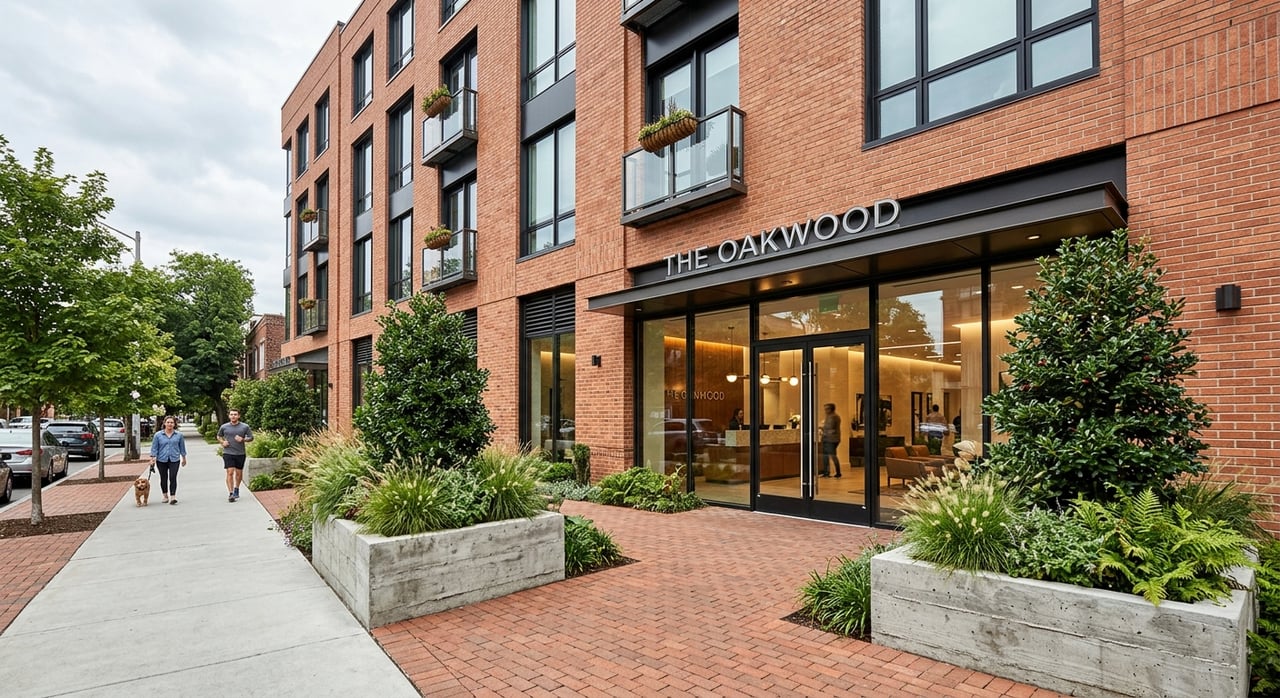
Silver Spring’s condo inventory includes a mix of building types, from older conversions to high-rises with more amenities. That range gives you options depending on how you want to balance budget, convenience, and building features. Some buyers want a simple lock-and-leave setup, while others prefer added services that support a busier schedule.
One example from downtown is Park Sutton Condominiums, a 13-story high-rise conversion with a staffed front desk, on-site property management and maintenance, an outdoor pool, rooftop deck, party room, laundry facility, additional storage, bike room, and resident and visitor parking. While every building is different, this gives you a useful picture of the kind of low-maintenance ownership package that can appeal to commuters.
If you are relocating to the DMV or buying your first condo near transit, these details matter. Building services and shared amenities can affect not only your lifestyle, but also how easy your home is to manage over time.
Condo dues are a normal part of condo ownership, and they are usually separate from your mortgage payment. The Consumer Financial Protection Bureau notes that dues can range from a few hundred dollars per month to more than $1,000, depending on the building and services. That is why it is important to treat dues as part of your full monthly housing cost.
Fannie Mae says condo fees typically cover exterior and common-area maintenance and often include water, sewer, trash, recreational amenities, insurance, and reserve contributions. Common elements can include things like corridors, parking areas, and recreation facilities. In practical terms, those fees often support the low-maintenance lifestyle that draws many condo buyers in the first place.
Still, not all fee structures offer the same value. A higher monthly due may come with meaningful services and stronger building support, while a lower due may leave less room for maintenance, reserves, or amenities. The right question is not only how much the fee is, but what you are getting for it.
Before you move forward on a Silver Spring condo, make sure you review the basics carefully:
These items can help you understand both your monthly costs and the building’s overall financial footing. For a commuter-focused purchase, that clarity can help you avoid surprises and make a more confident decision.
Buyers often compare Silver Spring with other close-in suburban markets, especially Bethesda. Both are Red Line stations, so each offers direct Metro access. Silver Spring, however, already combines the Red Line, MARC service, and the transit center within the same downtown district.
That broader mix of transit options can make Silver Spring stand out if you value backup commute choices. It also supports a less car-dependent lifestyle for many day-to-day errands. If you want a condo that works well for both commuting and daily convenience, Silver Spring presents a strong case.
For some buyers, the best fit comes down to more than travel time alone. It is about how smoothly your whole week runs, from weekday commuting to grocery stops to weekend plans. Silver Spring’s mix of transit access, walkability, and condo living is what gives it such practical appeal.
Silver Spring condos can make sense for several types of buyers. If you are a professional commuting into D.C., the transit options and walkable core may help simplify your routine. If you are relocating to the DMV, the area can offer a practical landing spot with strong connections and easy access to daily essentials.
They may also appeal if you want convenience without yardwork or heavy exterior maintenance. Condo living is not one-size-fits-all, but for buyers focused on time savings, accessibility, and a more efficient lifestyle, Silver Spring deserves a close look.
If you are weighing buildings, fees, commute patterns, and long-term fit, having a clear local strategy matters. Leah Webster can help you compare options and find a Silver Spring condo that supports both your move and your bigger real estate goals.
Stay up to date on the latest real estate trends.









With over twenty years of experience in real estate, I am proud to be your full time real estate partner. I can help you find property in the toughest of markets and personal situations. I will represent your investment with integrity to net you top dollar, no matter the market conditions.